
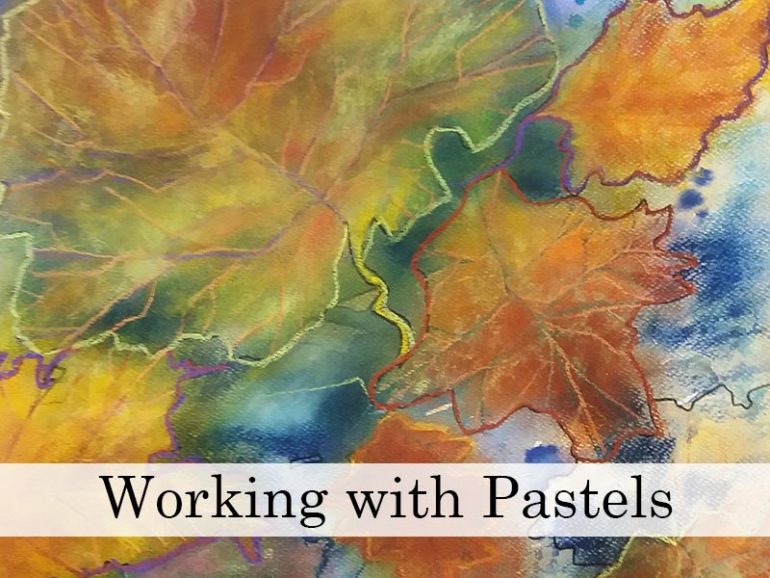
Diving into pastels is like embracing a beautifully tactile world you can draw, paint, smudge, and layer colours in a way that feels immediate and joyful. However, their delicate nature means they require some thoughtful techniques to master. From selecting the right surface to ensuring your work stays vibrant over time, here’s what every beginner needs to know.
Find the Right Surface
Pastels love texture, known as the “tooth” which grips the pigment. Smooth paper simply won’t hold much pastel, and your colours may slide off. Instead, look for textured pastel paper or sanded pastel boards, which come in varying grain sizes. Fine grain surfaces support subtle detail, while coarser surfaces allow for bold layering. For beginners, a medium grain pastel paper is a reliable, versatile starting point that supports both detail and expressive mark-making.
Blending with Control and Freedom
One of the joys of pastels is that you can interact with them more physically than most media—blending, smudging, even mixing with your fingers, tissue, or a soft cloth. This control allows for smooth gradients and nuanced transitions. Start by applying pastel lightly, then build up gradually. A light touch helps avoid the mess and gives you flexibility. To add dimension, experiment with layering: lay down a pale base, then softly blend, and finish with sharper highlights in bright tones. This layering brings both depth and luminosity to your work.
Layering Without Overloading
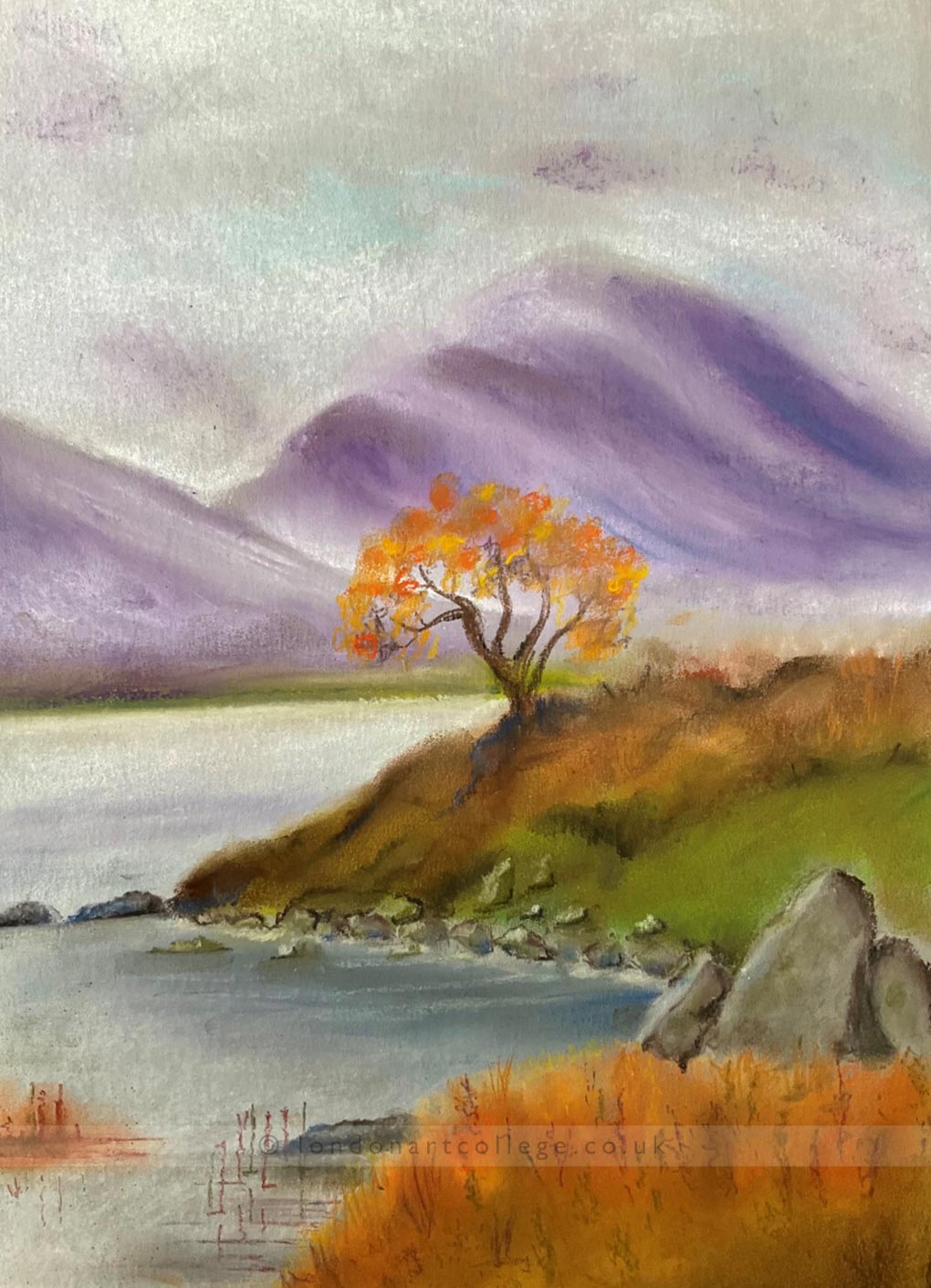
Layering is a pastel painter’s superpower but it’s easy to overwork a piece. Too many layers can make your artwork thick, dusty, or difficult to fix later. Instead, think in “three per layer” terms: pick a midtone, layer a darker value, then add highlights. Leave space between strokes so each layer can “bite” into the one beneath, and avoid flattening the layers intentional variety in pressure and density gives texture and life.
Using Fixatives Safeguard Your Work
One downside of pastels is that they remain loose on the surface dust can smudge away easily. Fixative preserves your work by gently bonding the pastel to the paper. Use a workable fixative between layers to stabilise the surface and reduce dust, and a final, light mist when your artwork is complete. But be cautious some fixatives can slightly darken or dull colours, so always test on a scrap first. A fine, even spray held at distance will help maintain the vibrancy and detail of your piece.
Watch and Learn: Pastel Basics in Action
This excellent tutorial is perfect for beginners, offering clear demonstrations of blending, layering, and handling pastels with confidence. It’s visually engaging and packed with practical, easy to follow advice.
Want to Go Further?
If you would like supportive, structured guidance while exploring pastels, check out our Pastels Certificate Course. Our experienced tutors provide personalised feedback to help you gain confidence, refine your technique, and discover your unique pastel voice.
Final Thoughts
Pastels are a wonderfully expressive medium for beginners they encourage freedom, experimentation, and a direct connection to colour and form. With the right surface, a gentle approach to blending and layering, and careful use of fixative, you can create works that shine with texture and luminosity. Treat each stroke as both a learning opportunity and a chance to play, and your pastel journey will be colourful, fun, and deeply satisfying.
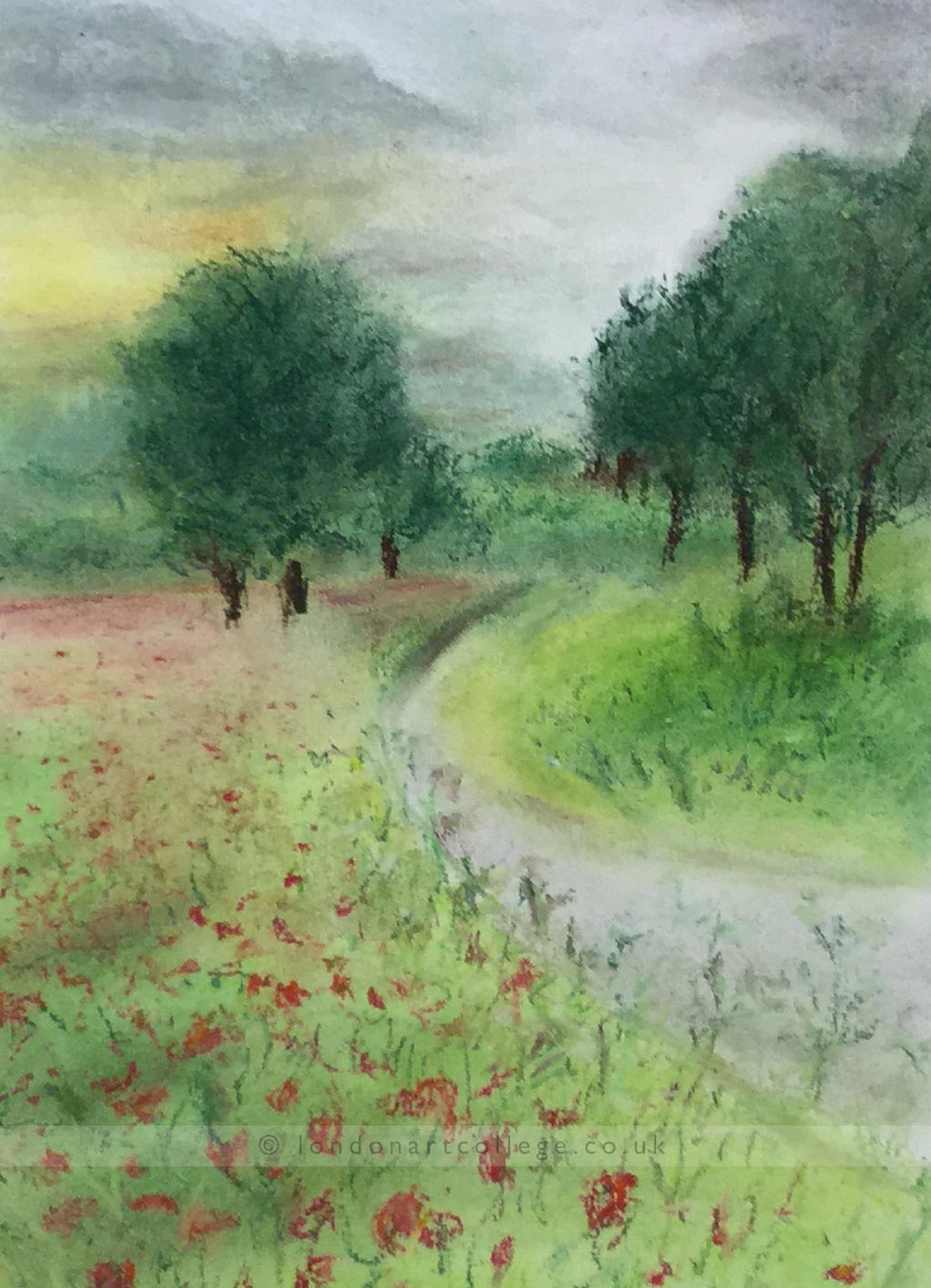
If you would like to receive a roundup of all of our blog posts once a week to keep you inspired in your inbox, why not sign up to our newsletter. You can access our sign up at the top of our page. If you are a London Art College student and you would like your artwork featured here, drop us a line at any time.
