
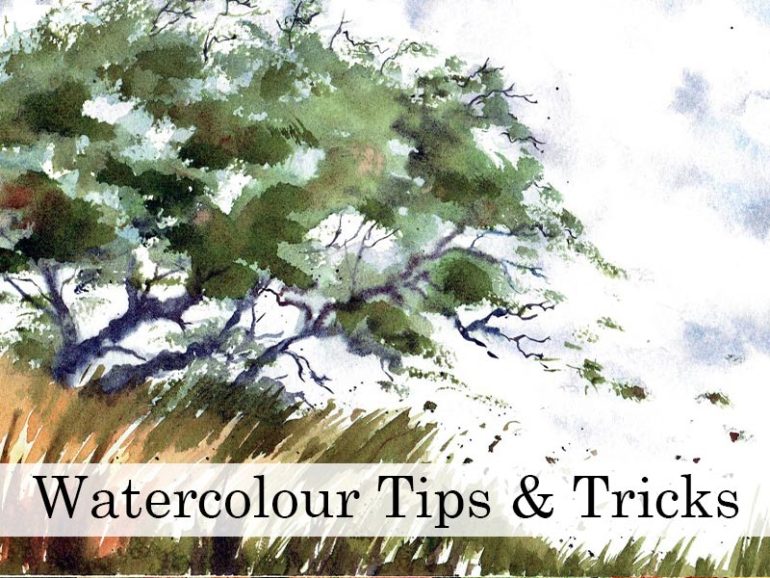
Watercolour is often seen as one of the trickiest mediums to master. Its fluidity, transparency, and unpredictability can leave beginners feeling out of control. But that unpredictability is also what makes it so exciting. By embracing watercolour’s natural behaviours and learning a few fun tricks you can create effects that bring your paintings to life. Here are some creative techniques every beginner should try.
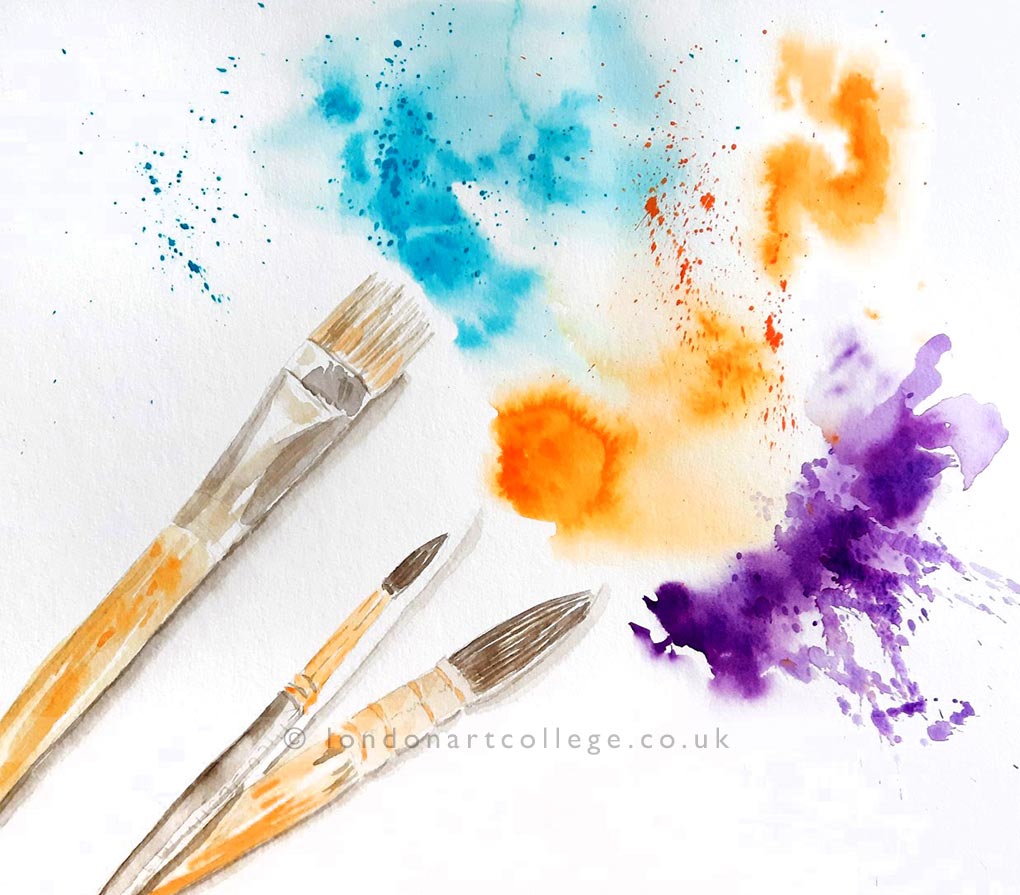
Salt for Sparkling Textures
Sprinkling ordinary table salt onto a damp wash can create beautiful, crystalline textures. As the salt absorbs the water, it pushes pigment aside, leaving starburst or snowflake-like patterns. This is particularly effective for night skies, underwater scenes, or adding subtle texture to abstract pieces. For best results, experiment with timing too wet and the effect will be faint, too dry and nothing will happen.
Wax Resist for Hidden Highlights
A white wax crayon or candle can be used to create areas that resist watercolour paint. Draw simple patterns or highlight areas (such as the sparkle on water or the veins of a leaf), then paint over the wax. The paint will skip over the wax, leaving crisp white lines. This is a great way to plan highlights that might otherwise be lost.
Cling Film for Mosaic Effects
Press a sheet of cling film (plastic wrap) into wet paint, scrunching it to create folds and creases. Leave it to dry completely before removing it. The result is a striking, mosaic-like pattern that can be used for rocks, foliage, or abstract textures. Each attempt will be slightly different, making it a fun way to explore watercolour’s unpredictability.
Lifting Colour for Highlights
Unlike opaque paints, watercolour can be “lifted” even after it dries. A damp brush, sponge, or tissue can be used to gently remove pigment from the surface, creating highlights or soft corrections. Try lifting out the shine on an apple, the shimmer on water, or a cloud in a sky wash. It’s a forgiving technique that adds subtle brightness to your work.
Dry Brush for Texture
By loading a brush with pigment but very little water, you can drag it lightly across textured paper to create broken, grainy marks. This “dry brush” technique is perfect for painting grasses, fur, wood grain, or weathered surfaces. It adds an expressive, tactile quality that balances well with smooth washes.
Watch and Learn: Watercolour Effects in Action
This tutorial demonstrates a variety of beginner-friendly tricks, including salt, cling film, and lifting. Watching these in action can really help you understand the timing and effect of each technique.
Want to Go Further?
If you would like to take your watercolour skills further, our Watercolour Diploma Course offers structured tuition, expert feedback, and encouragement to help you develop confidence with this exciting medium. From mastering washes to exploring expressive textures, our tutors are here to guide you every step of the way.
Final Thoughts
Watercolour rewards playfulness and patience. By experimenting with techniques like salt, wax resist, cling film, lifting, and dry brush, you’ll begin to see how versatile and surprising this medium can be. Don’t be afraid of mistakes—each experiment teaches you something new. The more you practice, the more you’ll learn to harness watercolour’s unique magic.
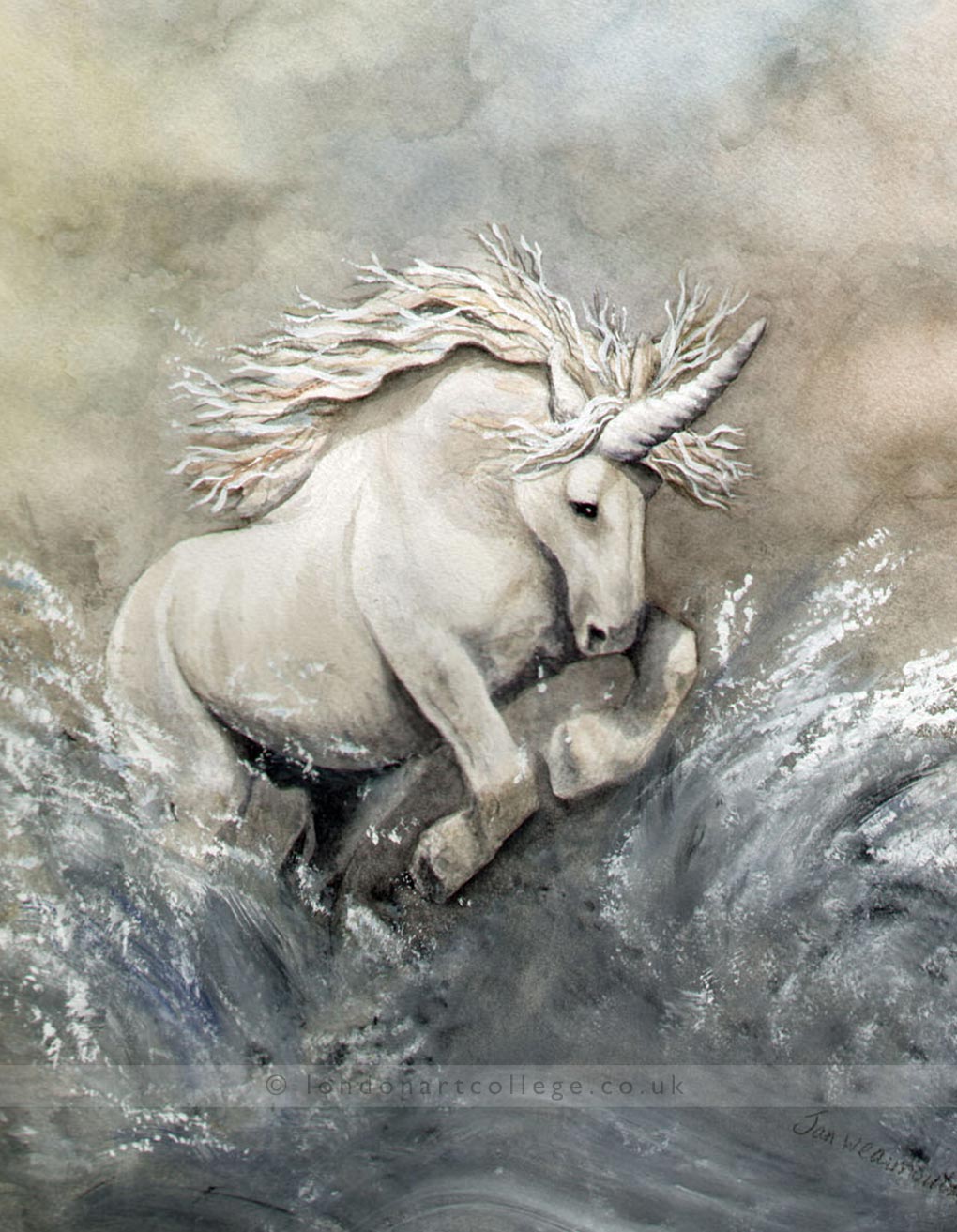
If you would like to receive a roundup of all of our blog posts once a week to keep you inspired in your inbox, why not sign up to our newsletter. You can access our sign up at the top of our page. If you are a London Art College student and you would like your artwork featured here, drop us a line at any time.
