
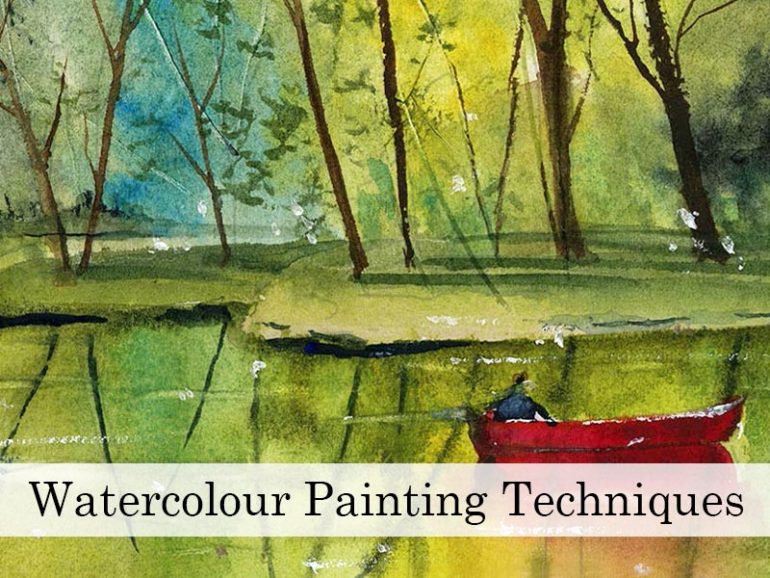
Watercolour is a wonderfully expressive and versatile medium, but it can be tricky to master when you are just starting out. The good news? Most beginners struggle with the same handful of challenges and a few small adjustments can make a big difference.
In this post, we’re highlighting five common mistakes watercolour artists often make, and how to fix them. Whether you’re taking one of our courses or painting for pleasure, these tips will help you get better results from your brushes, paints, and paper. To start with though, we felt this video below was a must see….
1. Overworking the Paper
It’s so tempting to keep going, adding more colour, lifting out mistakes, trying to ‘fix’ areas, but watercolour paper has limits. If you scrub or layer too much, the surface can break down, leading to blotchy textures and dull patches.
Fix it: Try to work in fewer, more confident strokes. Plan your layers in advance, and allow each one to dry fully before going back in. Practice letting go of “perfect” watercolour often looks best when it’s a little loose! Take a look at the video we found below that might help you.
2. Using Too Much Water (or Not Enough!)
Water is your main tool in watercolour painting, it controls the flow, transparency and softness of each stroke. Too much, and everything turns into a puddle. Too little, and your paint won’t move at all.
Fix it: Practice controlling water on your brush before you touch the paper. Blot it on a paper towel to see how wet it is. Try exercises using different water-to-paint ratios to get familiar with how each behaves.
3. Skipping the Planning Stage
Watercolour is hard to ‘undo’ once it’s down. Jumping straight in without a plan can lead to awkward compositions or muddy colours.
Fix it: Light pencil sketches help place your main shapes before you paint. If you’re layering, think about which areas need to stay light. A quick thumbnail sketch can help you test colours and layout first.
4. Relying Too Heavily on Black for Shadows
Reaching for black to darken colours is a common habit — but it can make your painting look flat and lifeless.
Fix it: Instead, mix complementary colours (like blue and orange, or red and green) to create rich, natural-looking shadows. You’ll get more depth and subtlety this way.
5. Not Letting Layers Dry Properly
We have all been there, getting impatient and painting over damp areas too soon. It causes colours to bleed into each other and ruins sharp edges.
Fix it: Use a hairdryer if needed, or work on a different part of the painting while you wait. Drying time is a great moment to step back and assess how the painting is going!
We hope these tips help you feel more confident next time you pick up your brush. Watercolour can be unpredictable, but that’s part of its charm! Lean into the process, enjoy the happy accidents and keep practising!
If you would like more structured guidance, our Watercolour Diploma is designed to walk you through everything step-by-step, with helpful tutor feedback along the way. Explore Our Watercolour Course Here
If you would like to receive a roundup of all of our blog posts once a week to keep you inspired in your inbox, why not sign up to our newsletter. You can access our sign up at the top of our page. If you are a London Art College student and you would like your artwork featured here, drop us a line at any time.
