
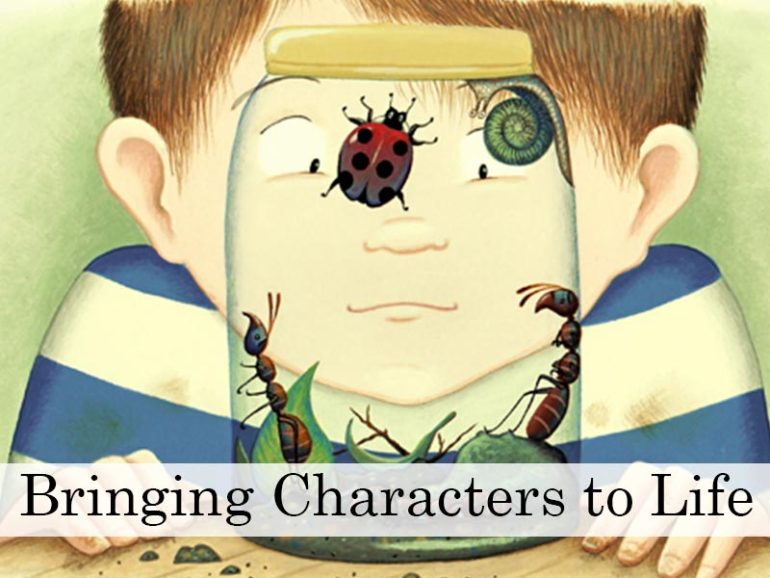
One of the most important aspects of illustrating for children’s books is creating characters that feel alive on the page. Children connect most strongly with personalities they can recognise and relate to, whether that’s a cheeky rabbit, a brave young adventurer, or even a talking teapot! Your illustrations are not just decorations for the text they are storytellers in their own right.
Big Expressions and Exaggerated Body Language
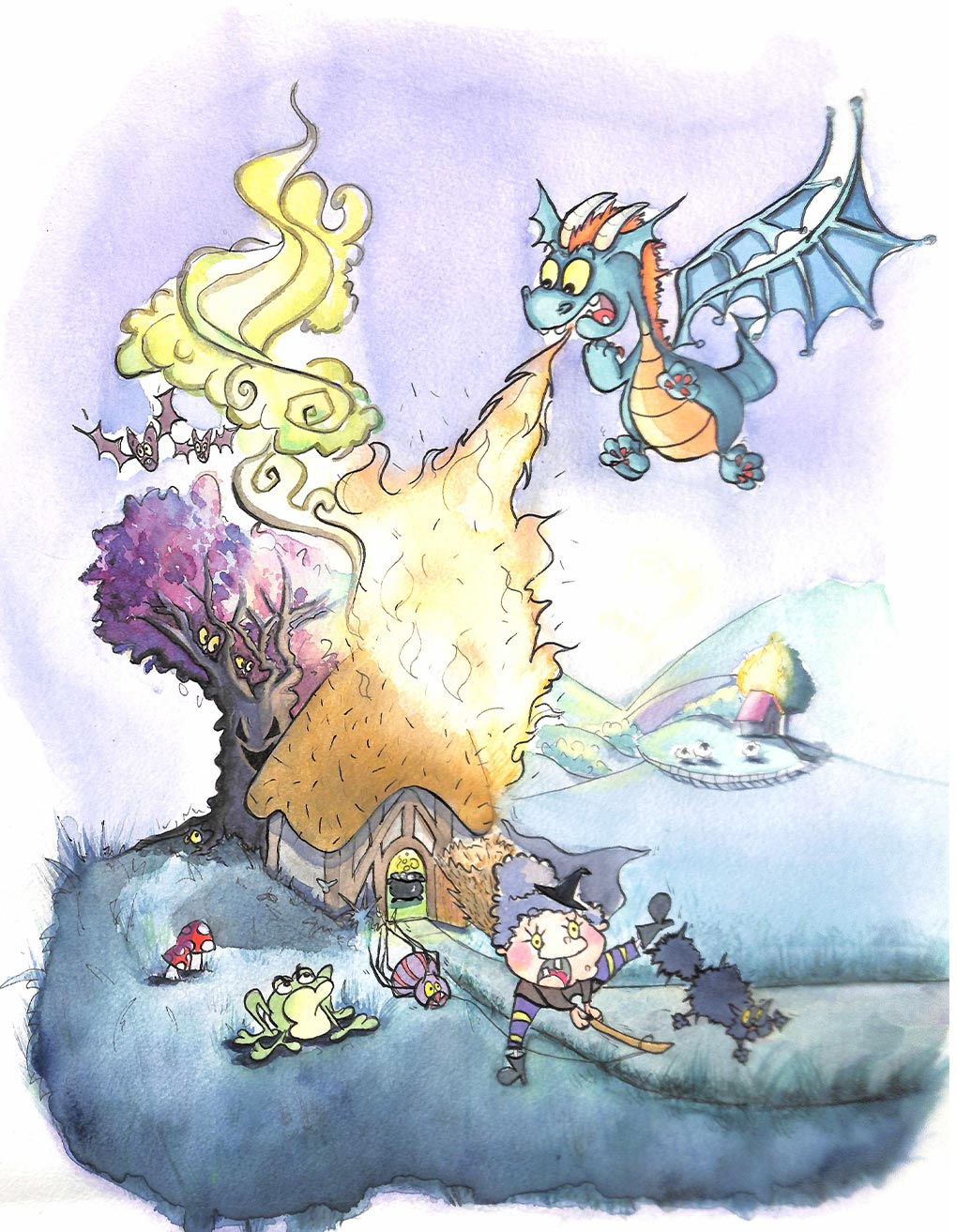
Young readers respond immediately to bold, clear emotions. A frown, a giggle, or wide eyes full of wonder should be easy to read at first glance. Exaggerating body language, a character slumping dramatically when they are sad or leaping high with excitement, adds humour and makes the story more engaging. Subtlety can work for older audiences, but in children’s illustration, clear and playful expression is key.
Keeping Shapes Consistent
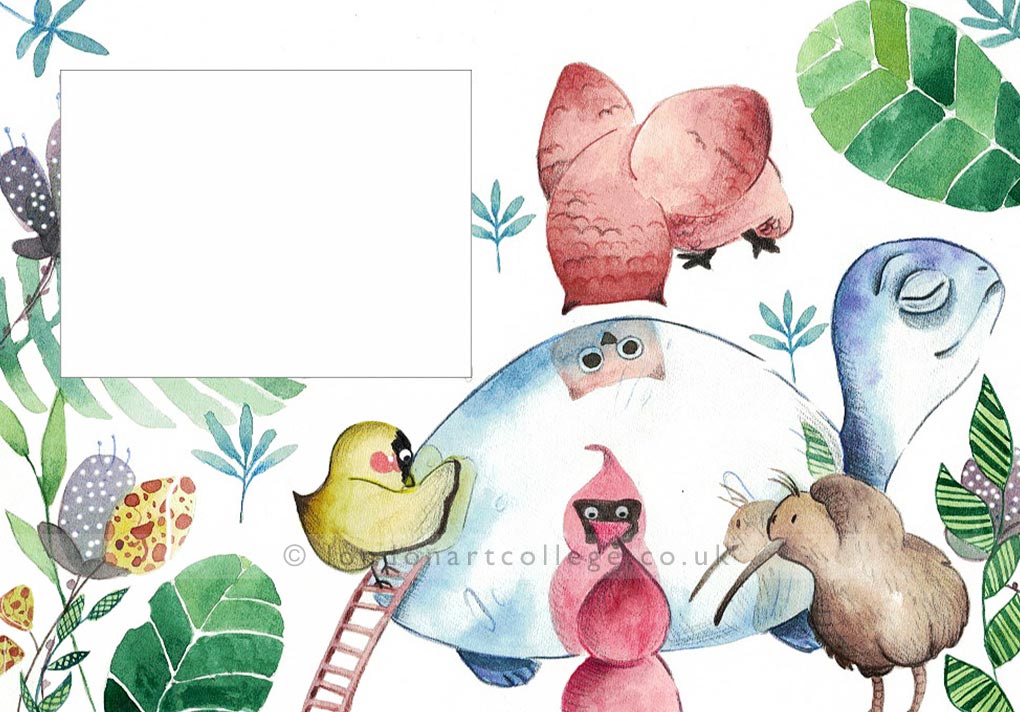
Consistency is what makes a character believable across the whole book. Children will notice if your main character looks slightly different from page to page. To avoid this, it helps to simplify the design into a few repeatable shapes, a round head, triangular ears, a long rectangular body, and so on. Once you have nailed down these shapes, your character can move, twist, and jump while still being instantly recognisable.
Creating a Character Sheet
Before diving into the final illustrations, try creating a character sheet. This includes sketches of your character in different poses and from different angles, as well as a range of facial expressions. Think about how they might look when happy, surprised, scared, or sleepy. Having this sheet as a reference makes it much easier to stay consistent throughout the book, and it can also spark new ideas for how they might react to the story.
Using References Playfully
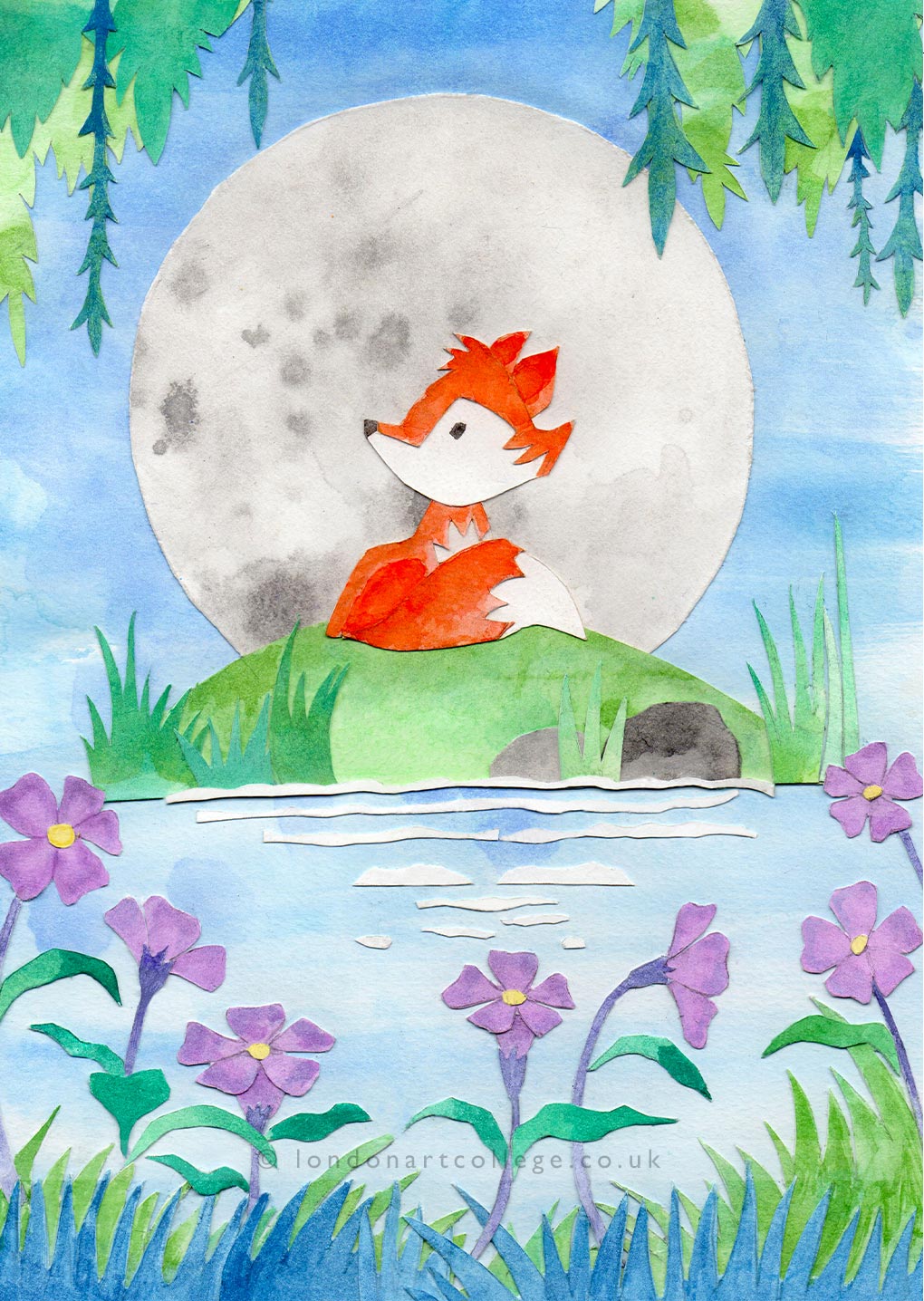
It’s always useful to look at real-life references, whether it’s observing a child’s gestures or sketching from animals at the park. But remember, children’s book characters don’t need to be realistic — they need to be relatable. Use references as a starting point, then simplify and exaggerate until the personality shines through. A rabbit doesn’t have to look anatomically correct; it just needs to feel energetic, curious, or mischievous depending on your story.
Bringing characters to life is about more than just drawing them accurately. It’s about giving them a spark of personality that children can laugh with, worry for, and cheer on from beginning to end.
If you’ve always dreamed of creating your own children’s book illustrations, our Illustrating Children’s Books Diploma Course is designed to help. With guidance from experienced tutor Steven Hersey, you’ll learn how to design characters, develop storyboards, and create finished illustrations ready for a young audience.
If you would like to receive a roundup of all of our blog posts once a week to keep you inspired in your inbox, why not sign up to our newsletter. You can access our sign up at the top of our page. If you are a London Art College student and you would like your artwork featured here, drop us a line at any time.

Görselleri çok başarılı buldum.👏👏👏
Hepsi ayrı güzel.
Bu kursa bende katılmak istiyorum.
Sevgiler🌷🌺🌲🌹🌿